
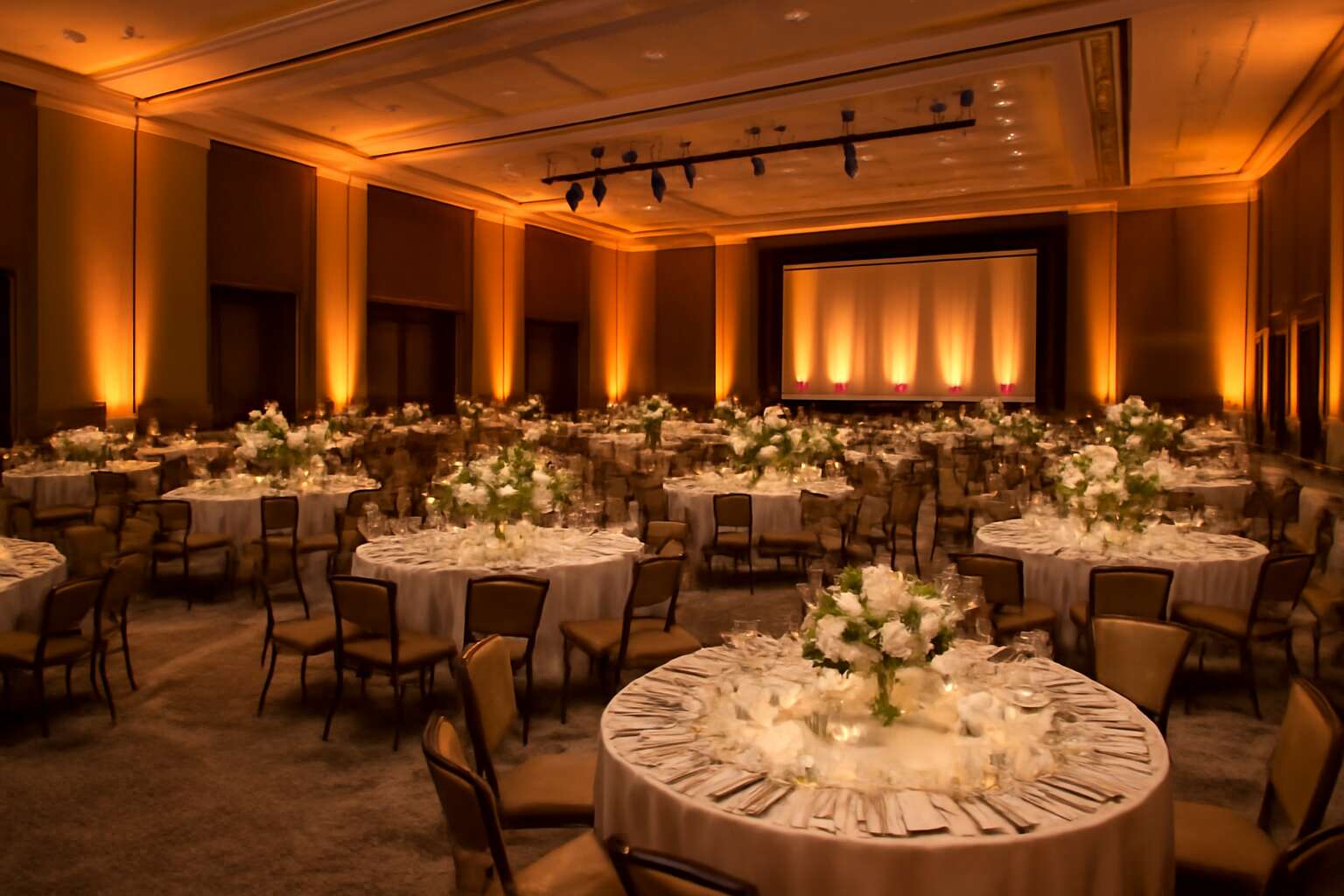
Understanding the needs of a five hundred guest event
Defining event goals and format for a five hundred guest gathering
In South Africa, a 500-guest gathering hinges on space’s quiet eloquence. A telling stat whispers: when the footprint mirrors flow, guests respond with ease. “Space is the unseen host,” a planner once whispered.
Understanding the needs begins with listening to arrival paths, sightlines, and service corridors. I sketch circulation and breakout zones, ensuring venue hire 500 people feels deliberate, not crowded.
Defining goals means choosing a format that suits connection or spectacle.
- Gala dinner with stage
- Conference with plenary and breakouts
- Hybrid event with live stream
From Cape Town to Joburg, the right venue can shape atmosphere more than decor.
Required floor plans and seating options
“Space is the unseen host,” a planner once whispered. In South Africa, a 500-guest event flows best when the footprint keeps pace with movement, reducing bottlenecks by noticeable margins. Understanding the needs of a five hundred guest event begins with the quiet geometry of space—arrival paths, sightlines, and service corridors aren’t afterthoughts but design drivers. I watch them steer the flow. When you lock in the concept of venue hire 500 people, the floor plan becomes a narration of how people gather, mingle, and listen!
Required floor plans and seating options should map these flows without feeling crowded. Consider adaptable zones, clear breakout areas, and generous aisles. The following configurations cover common needs:
- Theatre style for keynote sessions with perfect sightlines
- Banquet for plated meals and networking tables
- Classroom or cabaret for workshops and intimate discussions
- U‑shape or boardroom for collaborative briefings
Budgeting considerations for a large venue hire
Space is the quiet enabler of a successful venue for 500 guests. In South Africa, the way people move through a room shapes conversations as surely as the menu. Understanding the needs of a five hundred guest event means reading arrival paths, sightlines, and service corridors—the hidden geometry that keeps a venue efficient and comfortable. I watch the flow in action and know that when you lock in venue hire 500 people, budgeting begins as a reflection of space as much as style.
- Venue rental and related facilities
- Catering and beverages
- Audio-visual, lighting and staging
- Staffing, security and guest services
- Décor, signage, and contingency funds
Budgeting for a large venue isn’t about maxing out the spend; it’s about aligning service levels with expected flows and timing. The right balance preserves guest comfort while leaving room for flexibility, and it frames the event’s reach without drama.
Timeline from inquiry to event day
Five hundred guests arrive like a tide, and the timeline from inquiry to event day is the harbor that keeps them safe. Space is not merely a backdrop; it is the pulse guiding arrival paths and sightlines. In venue hire 500 people, the first contact threads dates, capacities, and tempered expectations into a map that wards off chaos before it blooms.
Key milestones along this arc include:
- Inquiry and initial briefing
- Site visit and capacity mapping
- Concept proposals and scheduling alignments
- Contract, deposits, and vendor coordination
- Final confirmation and day-of coordination
From there, the tempo of decisions shapes a room into a lived space, where conversations begin in the stillness before the door and the final curtain falls with a hush that suits a 500-strong gathering.
Venue types suited for large-scale events
Conference centers and convention venues
“The space is the show,” says a veteran event planner, and that’s especially true when you’re planning venue hire 500 people. The right conference center sets the rhythm, guiding attendees from arrival to a shared moment of connection.
Conference centers and convention venues shine for large-scale events. They offer scalable floor plans, ample breakout spaces, and robust technical systems that keep a 500-strong audience engaged.
- Modular halls for flexible layouts
- On-site catering and service teams
- Top-tier AV, Wi-Fi, and stage lighting
Location matters too in South Africa—city hubs with easy transport, secure parking, and nearby accommodation can reduce friction and boost attendee experience. The mix of professional ambiance and community energy makes these venues stand out for a gathering of this scale.
Hotels with ballrooms and suites
In South Africa’s buzzing events scene, hotels with ballrooms are the unsung heroes of large-scale gatherings. They deliver gravity and glamour in one tidy package, perfect for a 500-strong audience. “The space is the show,” says a veteran event planner, and a ballroom that breathes keeps registration smooth and conversations flowing long after the keynote.
For venue hire 500 people, hotels offer scalable layouts—ballrooms that split, elegant breakout alcoves, and on-site catering that keeps pace with a marathon agenda. With suites for hosts and speakers, you get hospitality with swagger and one less shuttle ride to manage.
- Grand ballrooms with flexible seating and stage configurations
- Luxurious suites for VIPs and presenters
- On-site catering teams and dedicated event service
- Secure parking and convenient transit links
All this sits close to transport hubs and bustling city life, letting South Africa’s energy settle into the night without logistical drama.
Cultural and arts venues for big gatherings
A striking stat from South Africa’s events scene: 500 guests in a single room turn energy into a living weather system, where conversations ripple past the keynote. For venue hire 500 people, cultural spaces offer gravity and grace you won’t find in a standard hotel ballroom.
Think theatres, concert halls, and galleries—the cultural engines that harness scale with elegance. They deliver generous sightlines, flexible staging, and backstage pathways that keep a program humming.
- Theatre auditoriums with clear sightlines
- Concert halls with adaptable stages
- Galleries offering breakout alcoves
South Africa’s cities pulse with these venues, blending heritage with modern service—rhythmic lighting, seamless flow, and hospitality that lets a 500-strong audience feel seen.
Outdoor and marquee options for flexible layouts
A pulse-quickening stat from SA’s events scene: 72% of large gatherings lean on outdoor or marquee layouts when weather cooperates. For venue hire 500 people, outdoor and marquee options offer flexibility, warmth, and a sense of shared space that a fixed ballroom rarely matches.
Outdoor venues let the landscape do the decorating; marquees with clearspan frames keep weather at bay while preserving sightlines.
- Clearspan marquees with modular walls for weather protection
- Risered stages and floor decks for strong sightlines
- Integrated power, lighting, and climate control for guest comfort
Logistics matter: flooring, wind-safety, crowd flow, catering lanes, and easy back-of-house access. With thoughtful staging and intuitive signage, these setups invite connection even in a bustling 500-guest program.
Stadiums arenas and large multi-purpose spaces
In South Africa, the heartbeat of a big gathering rises when spectators feel the space breathing around them. A recent trend in South Africa’s event planning shows 58% of large-scale occasions lean into stadiums, arenas, or other large multi-purpose spaces to unleash energy and ease of movement.
For venue hire 500 people, stadiums, arenas and large multi-purpose spaces offer scale, flexible layouts, and a shared pulse that a fixed ballroom can’t match. They invite dramatic entryways, sweeping sightlines, and adaptable stages that can be raised or retracted to suit a careful program.
- Open-plan floors and expandable seating
- Risered stages and floor decks for strong sightlines
- Integrated power, lighting, and climate control
- Dedicated back-of-house corridors and catering lanes
With thoughtful planning, these spaces become portals for connection, where guests drift through zones as if stepping between rooms in a living, breathing theater.
Features that matter in a five hundred guest venue
Capacity, layout flexibility, and floor plan options
Fill a room with 500 guests and the space reveals its character in seconds—flow, sightlines, and acoustics decide if the night hums or stalls. A venue that morphs from banquet to keynote feels almost supernatural in reliability. This is venue hire 500 people.
Capacity matters beyond headcount. Seek generous spans, efficient circulation, and flexible service zones. A venue designed for 500 people should accommodate transitions between talks, meals, and social moments without pinch points.
- Flexible seating configurations (banquet, theatre, cabaret)
- Integrated stage and AV options
- Strategic breakout areas
- Clear sightlines from all zones
Floor plan options bring drama and practicality together. Horseshoe, theatre, or banquet layouts in a modular space can bend to the event’s arc. In South Africa, venues often pair indoor capacity with outdoor extensions for 500 guests.
Audio-visual systems and technical support
Powerful audio-visual systems aren’t a luxury—they’re the backbone of a 500-guest gathering, and 90% of event issues trace to AV gremlins. In South Africa, a hall that can go from banquet to keynote needs crisp sound, clear sightlines, and reliable projections, all under steady control. This is essential in venue hire 500 people.
Integrated stage and AV options keep the room flexible. I’ve seen a room’s rhythm hinge on dependable tech, from wireless microphones to LED screens that stay glare-free in daylight and after sunset. On-site technicians neutralize glitches before they disrupt a moment, and robust Wi-Fi keeps back-channel feedback humming without delay.
- Stage lighting that flatters speakers
- Multi-channel sound and feedback management
- Large-format displays for audience reach
- Backup power and equipment to cover outages
With these features, the venue reveals its character—clear, confident, and ready for any moment.
Accessibility and on-site facilities
Access is the quiet backbone of a remarkable gathering. A well-placed entrance and thoughtful on-site facilities can set the tone before the first speaker! In South Africa, where guests arrive from townships to coastal estates, a venue that welcomes all starts with step-free entry, clear wayfinding, ample parking, and clean, accessible restrooms—a true hallmark of venue hire 500 people.
Beyond the doorway, practical comforts keep momentum high:
- Wheelchair-accessible routes and lifts
- Accessible restrooms and changing rooms
- Seamless registration and cloakroom areas
- Direct loading bays and catering prep space
Parking, transport access, and drop-off zones
For a venue hire 500 people, parking and drop-off zones aren’t afterthoughts—they’re the opening lines of your event narrative. A well-planned approach to arrival reduces stress, keeps lines moving, and sets a calm tone before the first speaker steps on stage.
Your plan should account for parking capacity, direct transport routes, and drop-off zones that align with arrival times and weather conditions. Proximity to highways, public transport stops, and shuttle routes keeps guests moving efficiently.
- Dedicated drop-off lanes clearly marked and sheltered from the elements
- Ample parking bays with visible lighting and directional signage
- Accessible transport links, including proximity to bus stops and rideshare zones
The right configuration minimizes fatigue and keeps momentum, letting arrival feel seamless from the curb to the first applause.
Health, safety, and crowd management
First impressions at a 500-guest affair hinge on safety choreography, not a poster pinned to a wall. When you plan venue hire 500 people, health, safety, and crowd management are the opening act, not the encore. “Safety is hospitality’s quiet subtext,” as one veteran host likes to say. Clear evacuation diagrams, trained stewards, and unobstructed aisles turn potential chaos into confident, courteous flow—leaving guests arriving relaxed and departing inspired.
Key features that matter keep safety tactile, not theoretical. A plan rooted in local South African standards and seasoned staff ensures the room breathes rather than bristles with tension.
- Trained safety personnel with defined roles and radio coordination
- On-site first aid and a discreet medical room
- Clearly lit, unobstructed exits and directional signage
- Accessible transport links and crowd flow diagrams
Catering spaces and backstage areas
Features that matter emerge behind the scenes, in catering spaces and backstage areas that keep the event humming. A well‑placed prep kitchen, nearby dining zones, and a discreet service corridor orchestrate a choreography guests never notice—yet everyone notices the ease. For a five hundred guest affair, these spaces must feel connected rather than crowded, letting staff move with quiet pride and purpose.
- Dedicated service corridors that route food, glassware, and waste away from guest sightlines
- Adjacent prep kitchens and cold rooms to shave minutes off service times
- Separate staff changing rooms and a quiet break area for morale
- Load-in and load-out access with clean, step-free routes
For venue hire 500 people, consider the human scale: temperature control, sanitation stations, and signage that guides crews as gracefully as lanterns guiding travellers. In South Africa, a backstage area that breathes translates into a seamless, memorable guest journey!
Budgeting and cost optimization for large venue hire
Clear pricing structure and what’s included
Budgeting for a venue hire 500 people can feel like chasing a target, yet clarity is the captor. In South Africa, venues that publish a clear pricing structure keep budgets intact. A seasoned planner says, ‘When numbers glow with candor, even a event feels within reach.’ For venue hire 500 people, baseline rate, peak-hour surcharges, and what’s included from day one guide the booking.
- Base venue rental and hours
- Standard seating, staging, and cleaners
- Basic AV: microphone, projector, screen
- On-site coordinator and security coverage
- Cleaning and waste management after the event
Beyond the base price, packages often bundle services that save money when chosen with intent. For venue hire 500 people, read inclusions and exclusions to avoid surcharges, like overtime fees or per-guest catering charges.
Pricing ladders that are transparent—clear base rate, hour blocks, and documented add-ons—let you balance dream layout with reality, especially when VAT and local taxes apply.
Managing add-ons: catering, decor, and equipment
Budgeting for venue hire 500 people can feel like plotting a course through fog—the base rental is clear, but add-ons blur the horizon. In South Africa, add-ons commonly push the final bill by 15% to 25%, turning a solid plan into a close call. A solid approach frames a fixed base price and a capped envelope for catering and AV from day one.
Managing add-ons with discipline keeps the numbers honest. Look for bundled options that align with the event’s goals and the venue’s capabilities. VAT and local taxes can shift the total, so the written scope should spell out what’s included from day one and what may incur overtime or per-guest charges.
Key levers within budgeting and cost optimization for large venue planning are:
- Catering: choose menus with predictable per-guest pricing and avoid hidden service charges.
- Decor and theming: rent modular elements that scale, rather than bespoke builds.
- Equipment and AV: bundle with the venue or compare quotes to find a transparent total.
A clear contract that enumerates inclusions, surcharges, and the payment schedule helps keep the project on an even keel, protecting the budget when the event day arrives.
Peak vs off-peak pricing and timing
In South Africa, the calendar is a living map, and the price tags follow its moods. For venue hire 500 people, peak demand can lift base costs and shave margins from the shoulder of your plan; off-peak whispers offer more negotiating room, yet demand can still surprise. Timing matters—season, day of week, and the rhythm of holidays tune the numbers like a distant drum. I watch the calendar breathe, and the numbers respond!
Under a broad gaze, budget and timing become allies. Observe the pattern of peak versus off-peak pricing and how it shifts with lead time, flexibility, and service levels. The right timing turns a tight budget into a balanced harmony.
- Peak pricing reflects demand surges and shorter cancellation buffers
- Off-peak windows often feature longer booking horizons and more flexible terms
- Timing interacts with in-house services and venue capacity constraints
Negotiation strategies and contract terms
Small certainty, big drama: budget drift follows large gatherings like a curious Cape wind. In South Africa, the 500-person milestone tends to lift more than just the spirits—base venue costs can creep as negotiations unfold, leaving you chasing the numbers you thought you had.
For venue hire 500 people, the base rate is only part of the story. The art is in cost optimization and ironclad terms: lock in inclusions, compare service levels, and demand transparent pricing to prevent surprise add-ons. In negotiation terms, insist on clear cancellation buffers and documented change orders; a firm contract translates to smoother sailing on event day.
- Transparent fee structure and inclusions
- Flexible cancellation and rollover terms
- Defined upgrade paths for AV, catering, and staffing
When in doubt, view the contract as a living document, not a fortress; it should evolve with your needs while protecting both sides’ sanity and budget.
Insurance, permits, and compliance
That final invoice can glow red with unexpected costs—insurance, permits, and compliance. For venue hire 500 people, the true price isn’t the base rate alone but the safety scaffolding that keeps the night lawful and intact. A solid public liability policy, cancellation cover, and supplier certificates are worth the momentary spend.
Permits from local authorities add another line; no permit, no party, no matter how grand the vision. In South Africa, compliance isn’t a nuisance; it shapes the timeline and protects guests, staff, and reputation.
Budgeting becomes a moral exercise; the numbers bend toward realism when risk is acknowledged and documented. The true cost of success is measured not by flash, but by the quiet certainty that all checks are ticked and ledgers sing.
Booking process and event operations for big venues
Site visits, quotes, and decision timelines
Big events thrive when the first tour acts as a passport to a seamless two-day affair. In South Africa, venue hire 500 people often hinges on a sharp site visit that aligns vision with logistics and budget.
During the booking process, transparency in quotes and a clear decision timeline keep momentum. These stages typically unfold:
- Site visit and capacity validation
- Customised quote with inclusions and contingencies
- Timeline for decision and proposal revisions
- Contract signing and deposit scheduling
After the contract is signed, the on-site operations team coordinates timing, access windows, and guest flow so the day unfolds without a hitch. A steady liaison with security, catering, and AV ensures smooth transitions and fewer surprises.
Contracts, deposits, and cancellation policies
In the high-stakes world of big gatherings, 60% of hiccups stem from hazy terms. For venue hire 500 people in South Africa, the contract is the compass that keeps two days sailing smoothly.
During the booking phase, a clean contract, transparent inclusions, and a well-defined cancellation policy do more than protect budgets — they preserve momentum. The terms typically spell out the essentials: contracts, deposits, and cancellation policies, with room for revisions if plans shift.
- Draft contract terms and inclusions
- Agree deposit schedule and payment method
- Define cancellation terms and revision window
After signing, the on-site operations team coordinates timing, access windows, and guest flow, while maintaining a steady liaison with security, catering, and AV to keep surprises at bay.
Permits, licensing, and risk assessments
In the pulse of a major city, securing venue hire 500 people hinges on more than ambitious menus and lighting. A well-orchestrated booking weaves permits, licensing, and risk assessments into the plan, turning potential delays into quiet confidence. The moment a proposal moves to contract, the focus shifts from dreams to drawbridges—drafting the path that keeps two days of setup from tipping into chaos.
- Regulatory clearance aligns permits and licensing into a single, clear bundle
- Risk assessments tailor crowd flow, exits, and emergency response
- On-site coordination links security, catering, and AV for seamless handoffs
From access windows to last guest check-in, the operation runs on steady, transparent communication, ensuring every moment feels effortless for guests.
Staffing, supplier coordination, and on-site management
In the pulse of a South African city, venue hire 500 people reveals a booking that feels like a double espresso—bold, precise, and perfectly timed. A bloom of logistics, supplier coordination, and on-site orchestration turns big events into quiet, confident performances. Once a proposal becomes a contract, the schedule becomes a living map, with buffers, check-ins, and clear handoffs that keep two days of setup from tipping into chaos. Clear, hopeful communication guides every bridge between departments—from catering windows to AV cues.
Key hands on deck include:
- Operations lead coordinating shifts and safety roles
- Supplier liaison ensuring timing windows for catering, decor, and AV
- Guest services supervisor smoothing guest flow and vendor handoffs
With a steady cadence from arrival to farewell, the operation glides, leaving guests to float through the evening as if guided by a compassionate conductor.
Logistics planning: setup, run of show, and teardown
Across a South African city, venue hire 500 people feels like a well-tuned engine—bold and precise from the first inquiry to the final farewell. The booking process unfolds as a living calendar: buffers tucked into the schedule, clear handoffs between teams, and a plan that grows with every new detail. From the moment a proposal becomes a contract, the night is mapped, not guessed, ensuring a smooth entry for guests and a calm, controlled pace for staff.
Operationally, three acts drive a flawless evening: setup, the run of show, and teardown. A dedicated operations lead choreographs shifts, safety roles, and flow; a supplier liaison threads catering, decor, and AV into one harmonious window; guest services monitor arrivals and transitions with a warm but watchful eye. The plan might include a brief rehearsal, a pre-event check, and a post-event review—each element designed to let the guests glide through the space as if guided by a conductor.
Contingency planning for weather or disruptions
With 78% of guests forming their impression in the first 15 minutes, invitations set the tone. In venue hire 500 people, the booking process unfolds like a calendar: buffers slip into the schedule, handoffs between teams are rehearsed, and details grow with every new fact. In South Africa’s cities, this precision ensures guests enter to calm, measured pace.
Operationally, three acts govern the night: setup, run of show, teardown. An operations lead choreographs shifts and safety; a supplier liaison threads catering, decor, AV; guest services guide arrivals with warmth and restraint. We rehearse a brief, pre-event check, and post-event review to keep flow graceful.
- Weather monitoring and indoor contingency
- Backup power and AV routing
- Storm plan: rain, crowd flow, alerts
Such contingencies prolong night’s elegance rather than interrupt it; when disruption looms, a practiced team keeps momentum with quiet, decisive adjustments.


0 Comments